Home About Us Services Blog Contact Us X Free Consultation The Complete Guide to Notary Services in Baltimore: What Every...
If you’re buying a home, refinancing your mortgage, or handling important property documents in Baltimore, you’ll inevitably encounter the need for notary services. But if this is your first time working with a notary public, you might have questions: What exactly does a notary do? Why are they necessary? And how do you choose the right one?
As Baltimore homeowners ourselves and experienced notary professionals serving the area for over 9 years, we’ve created this comprehensive guide to answer all your questions about notary services. Whether you’re a first-time home buyer in Canton, refinancing in Fell’s Point, or accessing home equity in Towson, this guide will help you navigate the notary process with confidence.
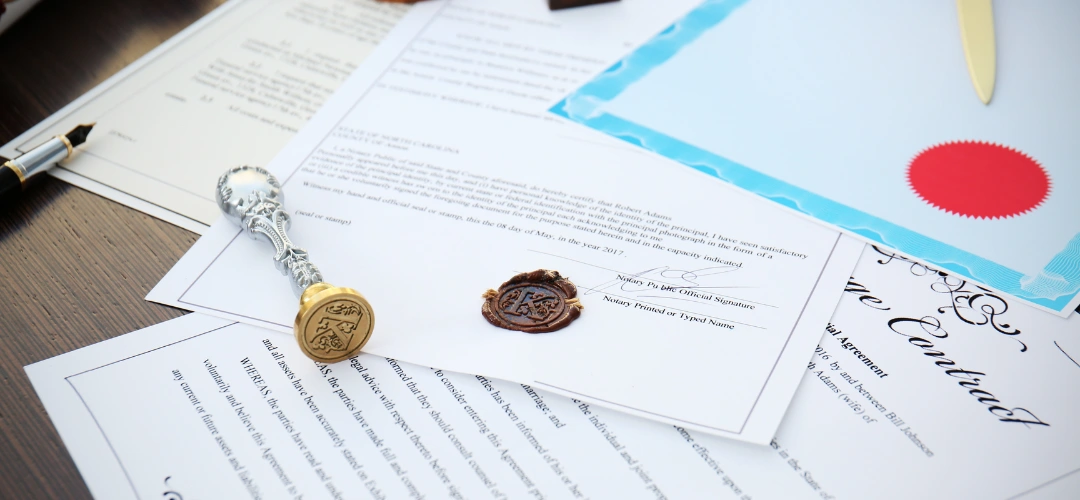
A notary public is an official appointed by the Maryland Secretary of State to serve as an impartial witness during the signing of important documents. Think of them as legal gatekeepers who verify identities, witness signatures, and help prevent fraud.
Here’s what a notary does:
Why is this necessary for homeowners? Real estate and mortgage transactions involve significant financial commitments—often hundreds of thousands of dollars. Notarization adds a critical layer of legal protection that prevents fraud, forgery, and future disputes about whether signatures are authentic.
Understanding when you need a notary can help you plan ahead and avoid delays. Here are the most common situations Baltimore homeowners encounter:
Buying a home is one of the biggest financial decisions you’ll ever make, and it comes with a stack of documents requiring notarization:
Pro Tip: Schedule your closing appointment at a convenient time and location. Many Baltimore homeowners opt for mobile notary services that come to their home, office, or even a coffee shop—making the process less stressful.
Refinancing to secure a lower interest rate or access equity involves nearly as much documentation as your original purchase:
With mortgage rates fluctuating, many Baltimore homeowners refinance multiple times. Having a reliable notary who understands the process can make refinancing smooth and quick.
Need funds for home improvements, debt consolidation, or education expenses? Home equity loans (HEL) and home equity lines of credit (HELOC) require notarization:
Local Insight: Baltimore’s historic neighborhoods often need renovation work, making HELOCs popular among homeowners in areas like Federal Hill, Mount Vernon, and Hampden. Professional notary services ensure your HELOC documents are executed correctly for fast approval.
Homeowners age 62 and older in Baltimore can access their home equity through reverse mortgages. These transactions require specialized notary services due to their complexity:
Important: Choose a notary experienced with reverse mortgages who can take the time to ensure you’re comfortable with the process.
Beyond mortgages, homeowners need notaries for:
Your lender or title company often arranges the notary, but you can request a specific notary if you prefer. Many Baltimore homeowners choose mobile notaries they trust for convenience and personalized service.
Mobile notary services specialize in coming to you. Whether you're recovering from surgery, caring for a newborn, or have mobility limitations, a mobile notary accommodates your needs.
Most professional notaries work by appointment to ensure dedicated time for your transaction. However, many Baltimore notaries offer same-day and even emergency services when needed. Call as soon as you know you need notary services.
No. Notaries are not attorneys and cannot provide legal advice, explain the legal effect of documents, or recommend whether you should sign something. Their role is strictly to witness and authenticate signatures. For legal questions, consult an attorney.
Home About Us Services Blog Contact Us X Free Consultation The Complete Guide to Notary Services in Baltimore: What Every...